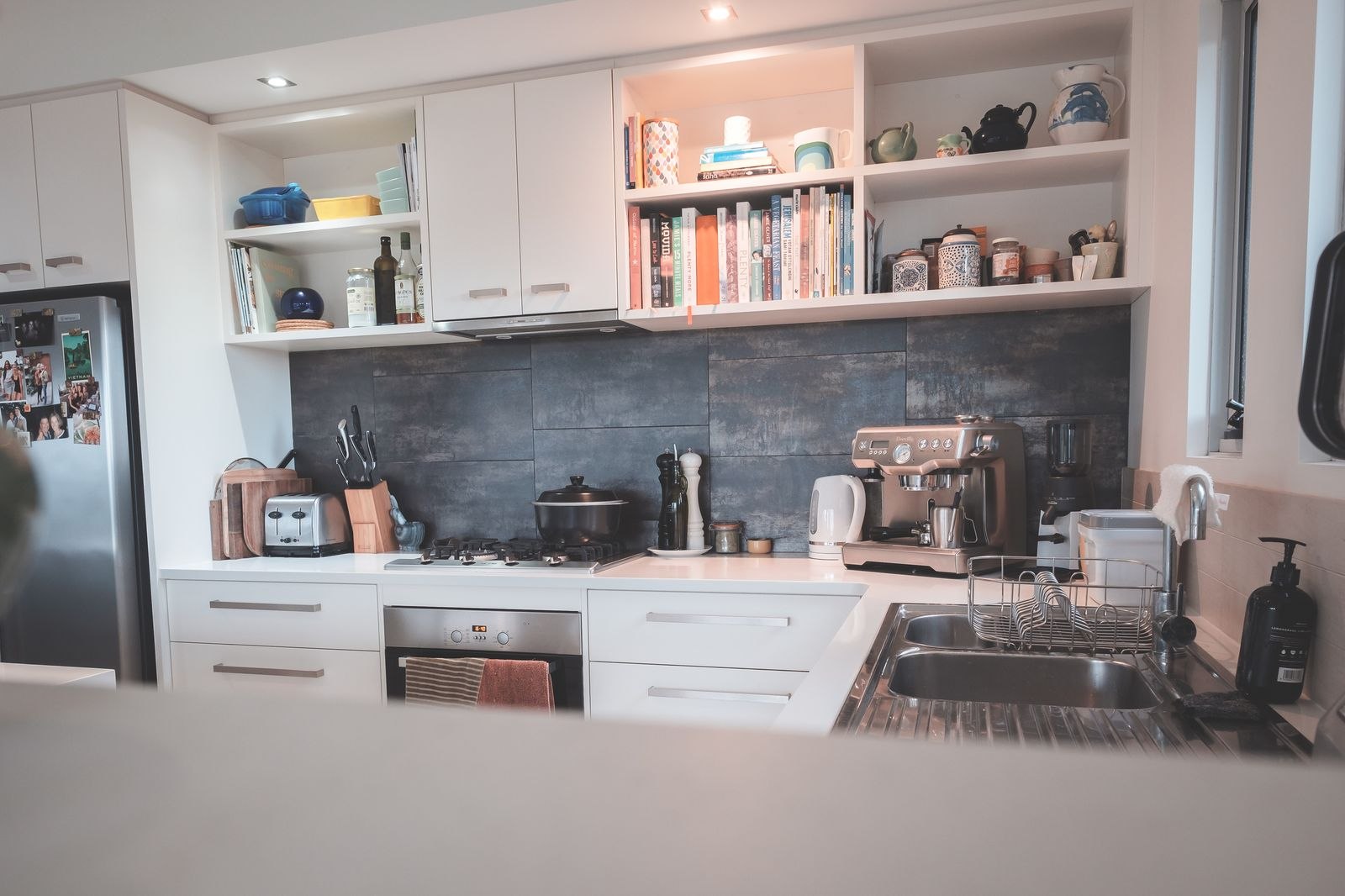
Break the route into stages
Start at the practical arrival point: the pavement, parking space or drop-off location. Then consider the building entrance, lobby, lift or stairs, apartment door and the rooms that need to be used. A step-free room can still be reached only through a stepped entrance.
Ask the host to identify thresholds, ramps and changes in level along that whole sequence. A short video or several labelled photographs can show connections that a gallery of interiors misses. Do not infer the outside route from a photograph of the lounge.
Request clear measurements
For a doorway, the relevant measurement is the clear opening available when the door is in its usable position. For a lift, consider the door opening, internal floor dimensions and the space needed to approach or turn. Compare those details with the traveller's equipment and movement requirements.
Explain exactly what information is needed without sending unnecessary medical details. For example, ask about a particular clear width or whether a turn is required immediately after entry. General answers such as spacious or suitable for everyone cannot replace that information.
Check the rooms that matter
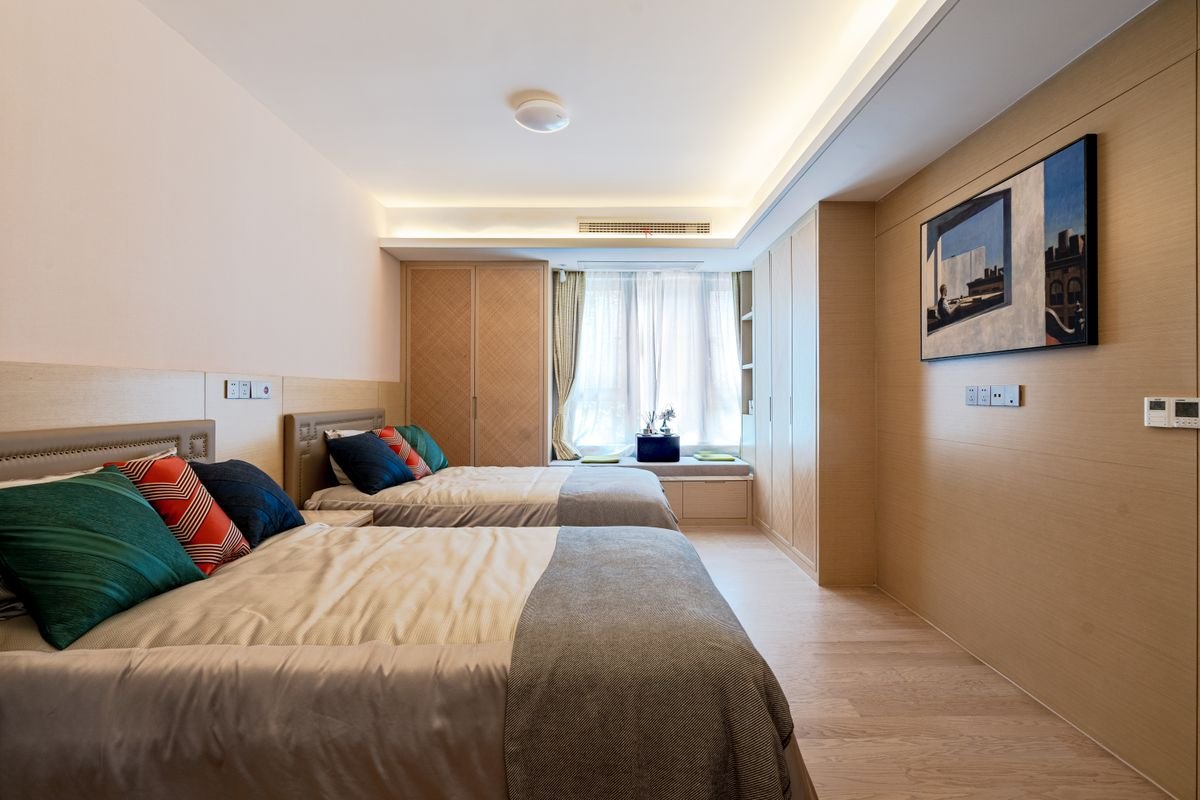
In the bedroom, consider access beside the bed and the route to storage. In the bathroom, ask about the shower threshold, door opening and the arrangement of fixtures. A walk-in shower is only one feature and does not establish that the entire room meets someone's needs.
Confirm any specific equipment with the provider responsible for supplying it. A photograph of a fixture is not a professional assessment of suitability. If a particular support arrangement is essential, obtain appropriate advice and written confirmation rather than assuming an accommodation description guarantees it.
Include the area outside
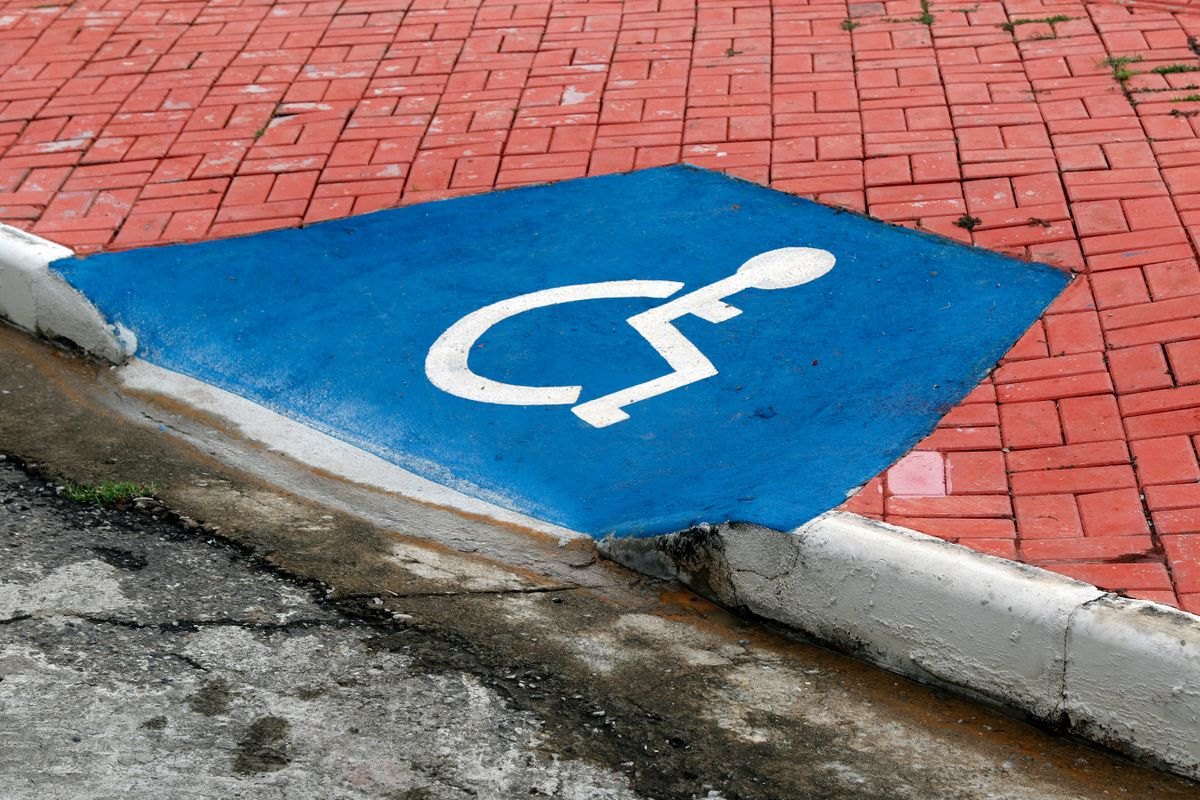
Map the route to an essential food shop or transport stop as well as the property entrance. Slopes, surfaces and crossings can affect a trip even when the apartment itself is usable. Current street conditions may require checking through local information or a direct enquiry.
Keep the answers together and distinguish measured facts from opinions. If a crucial dimension remains unknown, treat it as unresolved when comparing properties. Choosing accommodation around verified access information is more useful than paying for an attractive apartment and hoping the difficult parts of the route will turn out to be manageable.
Use an example request with the relevant dimensions
A useful message might ask for the clear entrance width with the door fully open, the height of any threshold, the lift's internal width and depth, and a photograph of the turn between the lift and the apartment. Adapt that request to the equipment and movement requirements of the guest. There is no single set of measurements that establishes suitability for everyone.
If the provider supplies only a broad accessibility label, explain which missing detail prevents a decision. When measurements or route photographs cannot be obtained, keep the uncertainty visible and consider an alternative with better information. A travel companion's willingness to help should not be assumed to solve a physical barrier or replace the guest's own assessment.