Count places that can be used together
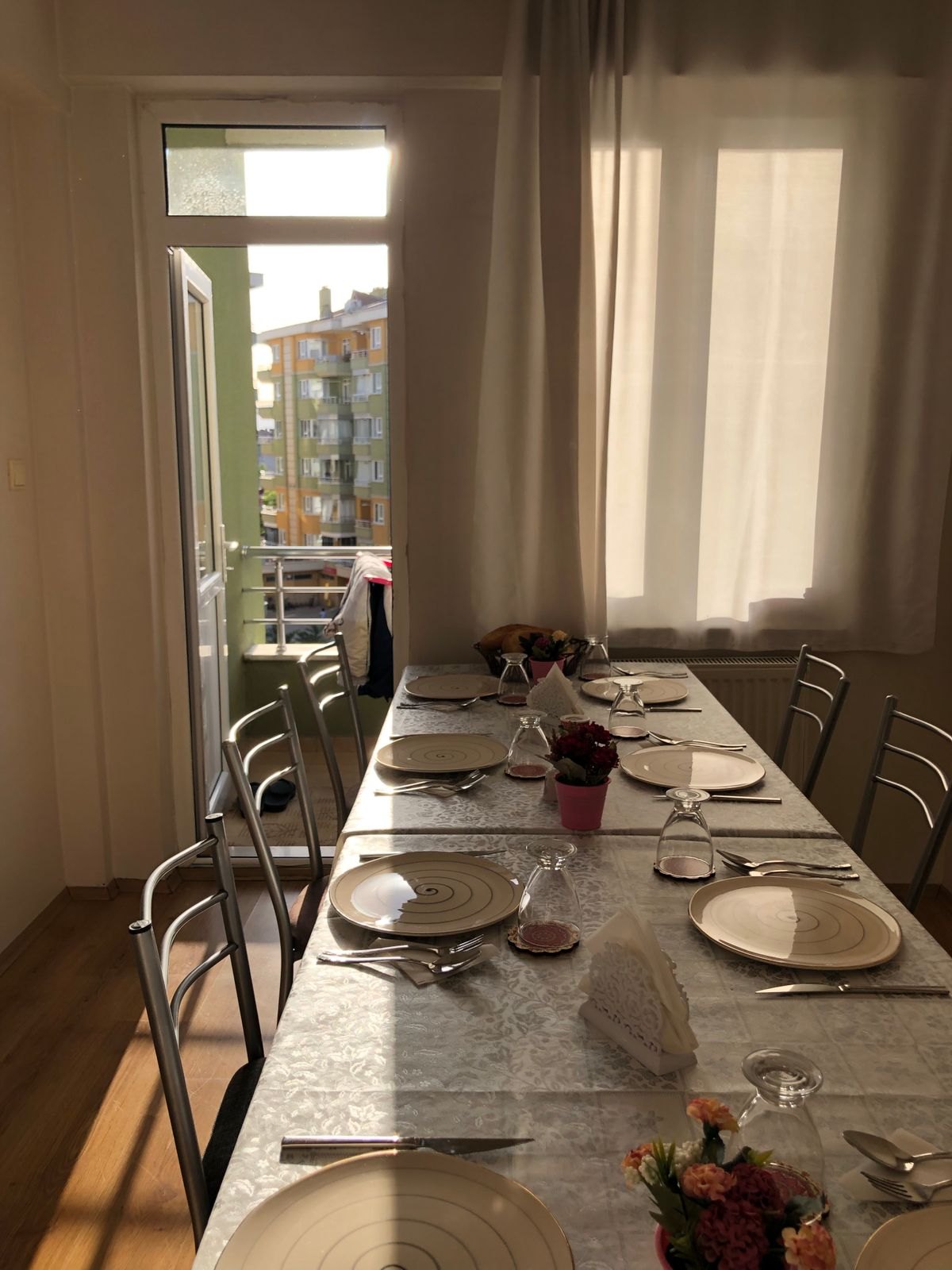
A listing may sleep six while its dining photograph shows four chairs. Ask how the whole group is expected to eat at the same time. Extra folding seats might solve the problem, but only if they are supplied and there is enough table and floor space to use them properly.
Distinguish between a dining table, a breakfast bar and a coffee table. Each can serve a purpose, but they are not interchangeable for every guest. A tall stool may be inconvenient for someone who needs a supported chair, while a low lounge table may make several days of shared meals awkward.
Look beyond the tabletop
Study the surrounding space. Can people pull out chairs without blocking the bathroom route? Does the refrigerator door open when everyone is seated? If the table folds away, find out where the chairs live and whether preparing it requires moving luggage or a sofa bed each day.
An outdoor table can be a useful addition, but assess the indoor alternative as well. Weather and the building's outdoor-use rules may affect when the terrace is practical. Do not count an exposed balcony as the only reliable dining arrangement unless the group is comfortable with that compromise.
Plan for the meals you expect
If breakfast will be the only shared meal, a compact arrangement may be sufficient. For cooking several evening meals, space for serving dishes and a comfortable seat for each person becomes more valuable. Consider whether someone will also use the table for a laptop, games or children's activities; clearing and resetting it may be a regular part of the stay.
Ask one focused question if the photographs leave doubt: for example, whether five guests can sit at the indoor table with ordinary chairs. Request a photograph of the actual arrangement rather than relying on the advertised capacity. Then compare the answer with your group's routine. Dining space is worth paying attention to because it affects an ordinary part of every day, even when it receives much less attention than the view.