Create a practical trip folder
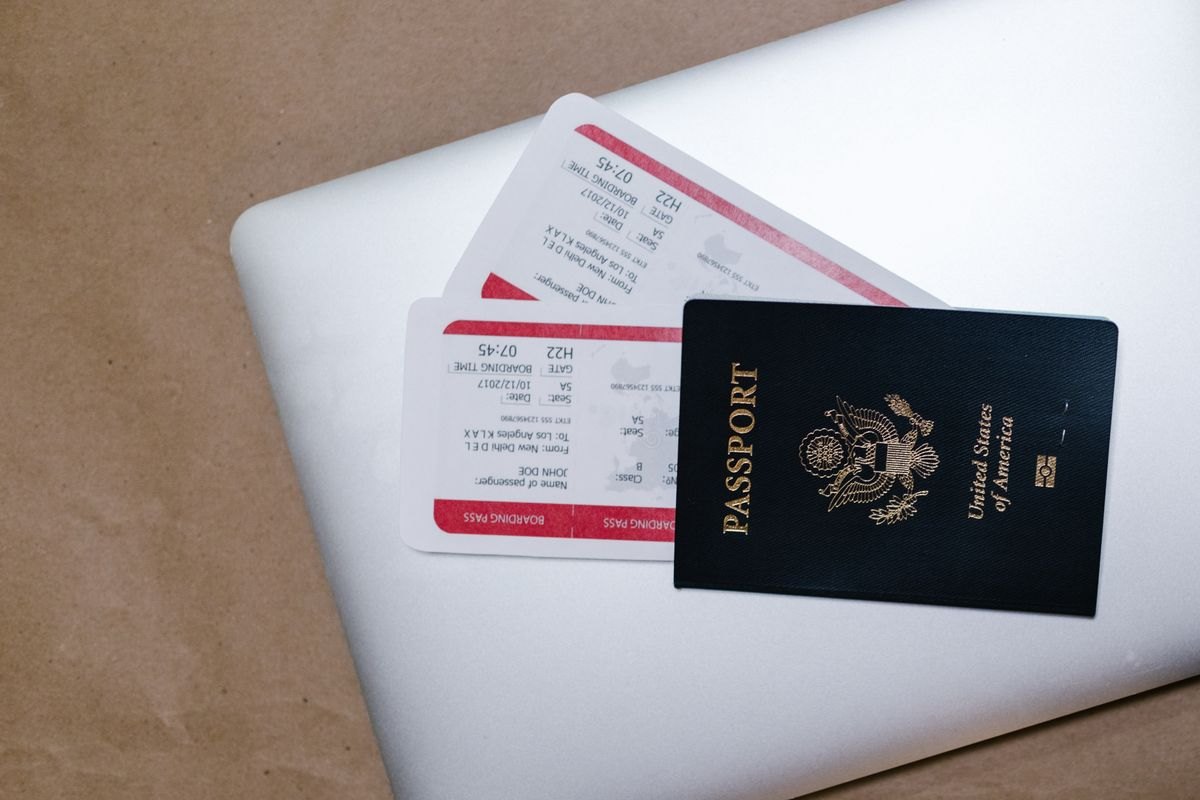
Group the accommodation confirmation, payment records, transport details and the host's arrival instructions. Give files clear names rather than relying on screenshots mixed among holiday photographs. Keep the property address and essential contact details available offline, since arrival is a poor time to discover that a connection is unavailable. Choose storage appropriate to the sensitivity of the information, with device and account protections you understand. A shared holiday folder should not automatically contain every traveller's private documents.
Keep changes with the original agreement
When dates, services or charges change, save the revised confirmation beside the original and mark which version is current. If an arrangement is made by phone, ask for a written summary through the booking channel. Record cleaning dates, key instructions and any agreed utility allowance in a short reference note. This reduces the need to search a long conversation for a detail such as which day someone will enter the apartment or how a final charge will be calculated.
Separate records from travel requirements
An organised folder does not establish whether you meet entry, insurance or other travel requirements. Check those matters using the relevant official sources for your nationality and circumstances. Do not rely on an old saved page as evidence that a rule remains current. Similarly, an apartment confirmation does not by itself answer questions about working abroad or extending a visit. Keep the information you need, but avoid collecting unnecessary copies of sensitive documents simply because there is room in the folder.
Finish the record after departure
Retain final receipts and any correspondence about outstanding charges or returned deposits while those matters remain relevant. Remove access codes from shared notes when they are no longer needed, and sign out of any accounts used on accommodation devices. If several people travelled together, settle shared expenses using the records rather than memory. The goal is a small, reliable collection of useful information, not a large archive that nobody can navigate when a specific answer is needed.