Identify the shared overlap
Ask each child for one or two things they would like to do, then look for activities that genuinely interest more than one person. A beach visit might work for everyone while the time spent there differs. A museum could suit the older child but need a shorter visit for the younger one. Avoid describing an activity as suitable for all ages without checking its actual content, access and current visitor information. Build the day around a real overlap rather than hoping everyone will enjoy whichever attraction is most prominent online.
A useful example is a morning with an older child's preferred activity followed by a short shared lunch and a younger child's chosen local stop. That arrangement works only if the travel between them is modest; otherwise the supposed compromise becomes a day spent in transit. Compare the routes before promising both. Sometimes it is fairer to separate the preferences across two days and give each activity enough room to be enjoyed.
Use the apartment as a split point
Separate plans are easier when they begin or end at the accommodation, where bags, snacks and spare clothes can be exchanged. If adults divide the group, confirm each has access to the apartment and knows the meeting arrangement. Agree how changes will be communicated. One key or a weak mobile connection can make independent outings harder than expected. A short split activity may be enough to give each child something distinctive without turning the whole holiday into two unrelated schedules.
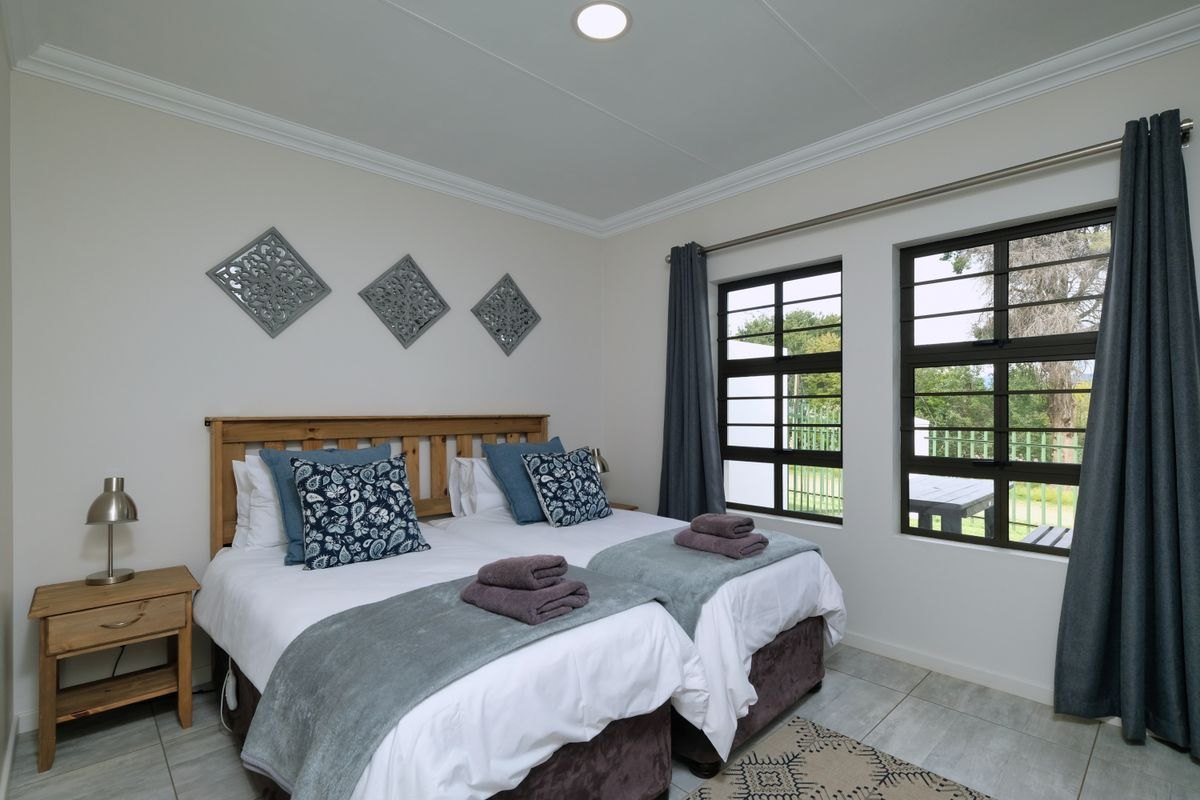
Let older children understand the practical constraints without making them responsible for managing younger siblings. Discuss what independence is appropriate for your family and the unfamiliar setting, and keep adult decisions about supervision explicit. An apartment can give everyone a little personal space, but it does not automatically provide separate safe areas for every age group. Review the layout and the proposed routine together.
Give choice a visible structure
Alternate whose preference shapes the main outing rather than promising that everyone gets everything every day. Explain the sequence in simple terms: today's morning activity is one person's choice, while tomorrow's is another's. Keep some decisions at adult level, including budget, transport and the amount of time available. Offering a choice between two feasible options is usually clearer than inviting unlimited suggestions after tickets have already been booked. Leave room for a child to enjoy an unplanned small stop without adding another major commitment.
Protect ordinary downtime
Different ages often need different amounts and kinds of quiet time. Make sure the apartment has a workable space for reading, drawing or resting without everyone competing for the same chair. Keep a few individual activities available for pauses. The aim is a holiday with enough shared experiences to feel connected and enough flexibility that no child spends every day waiting through someone else's preferred activity. Review the balance during the stay and adjust before frustration becomes the main feature of the trip.