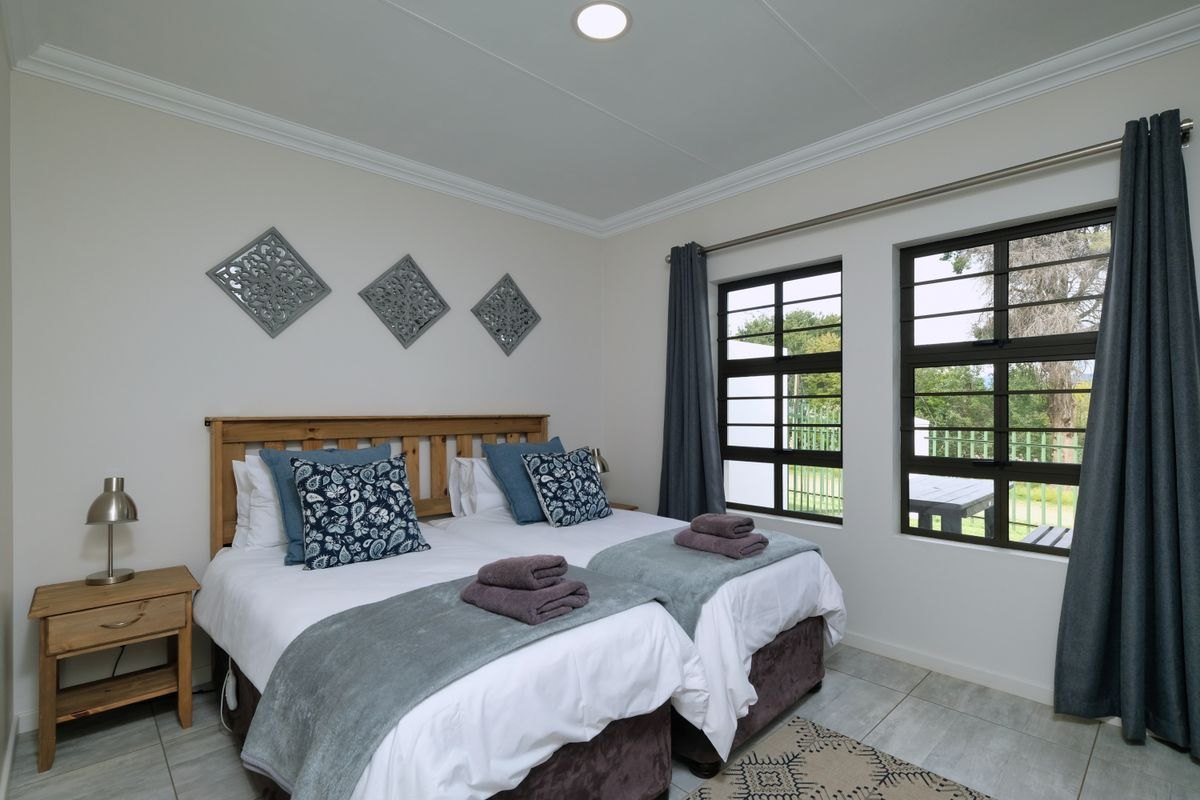
Compare the usable room at night
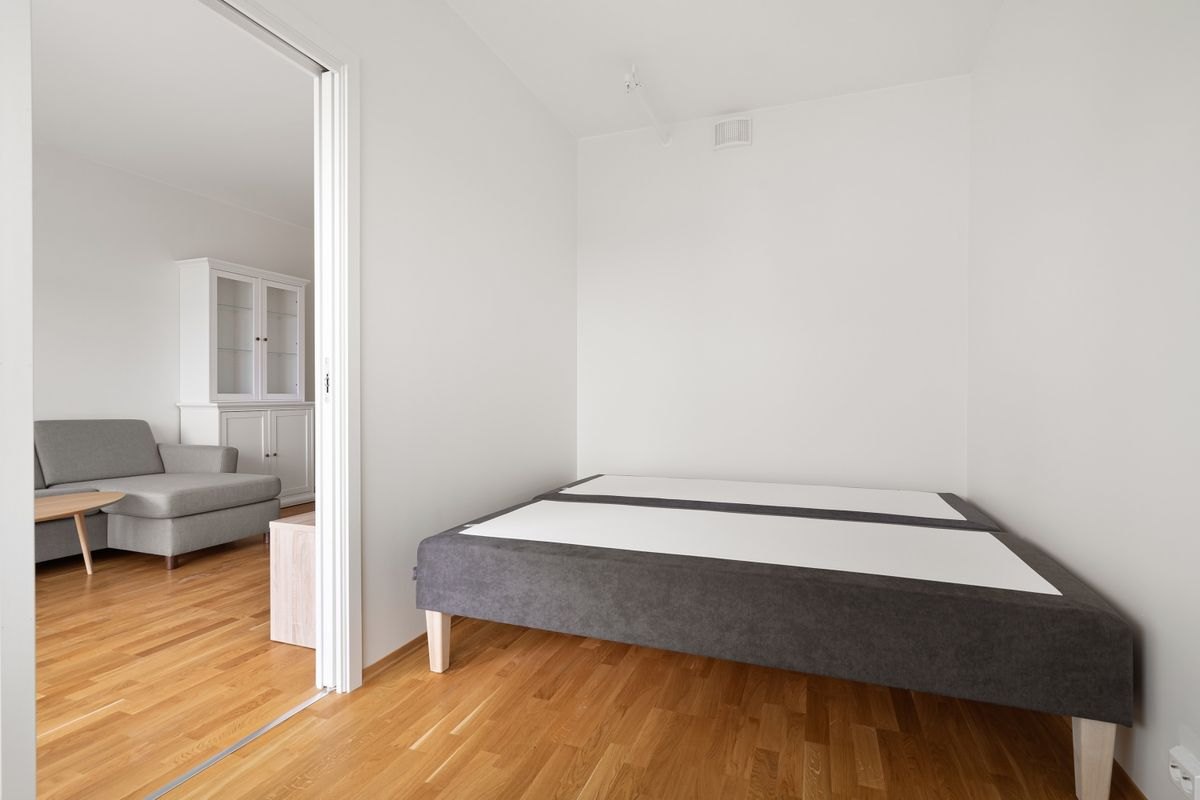
Look at each layout with every bed ready for sleep. A studio may lose its sofa, dining space or clear walking route when a folding bed opens. A two-bedroom flat can still place one sleeping area behind a sliding partition or have a bathroom accessible only through another room. Request a floor plan and confirm that advertised bedrooms are separate rooms. Count storage and circulation space as well as beds, since suitcases do not disappear once everyone goes to sleep.
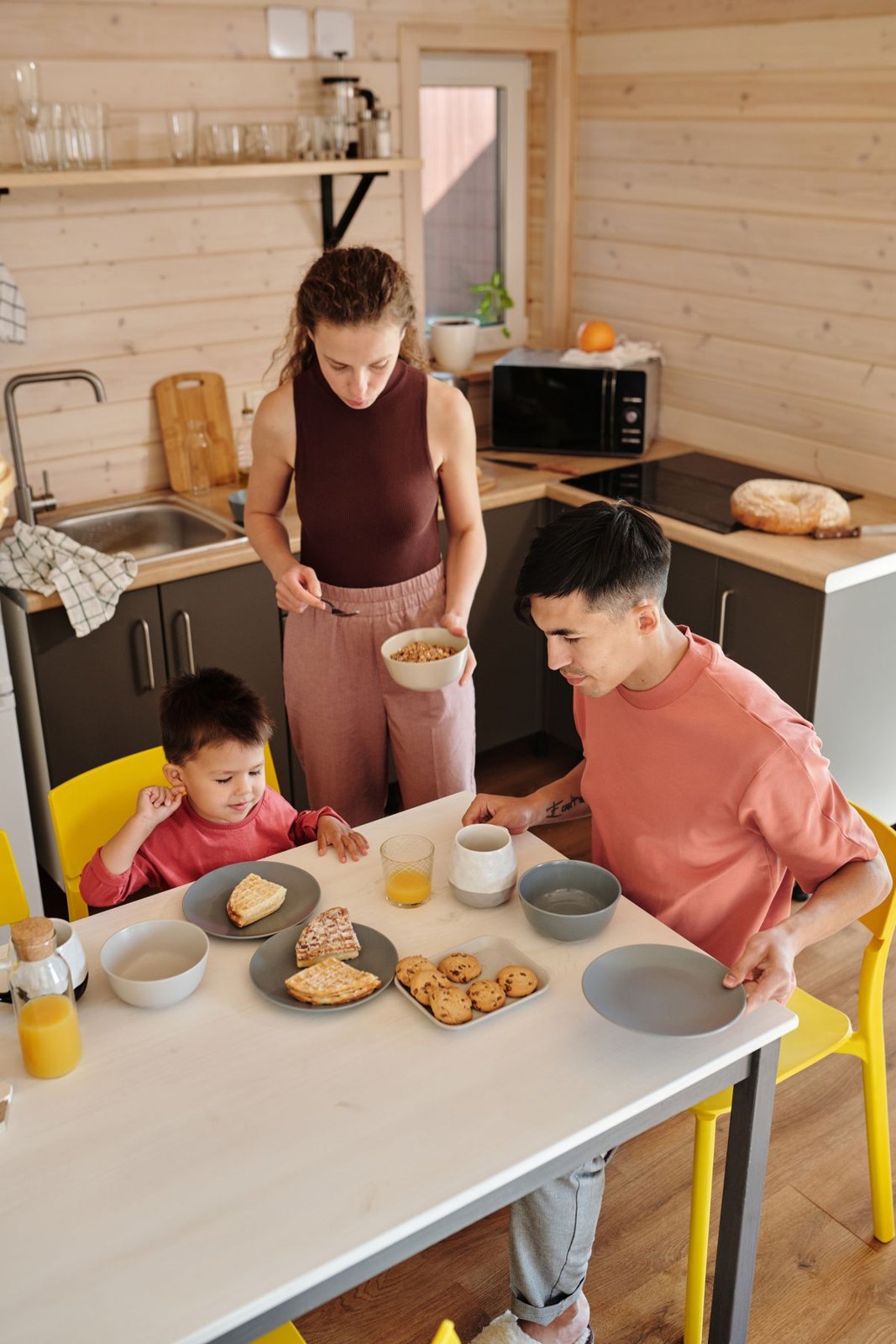
Consider a family taking a five-night trip with one child who sleeps early. If the studio's dining corner remains usable and the adults are content with quiet evenings, its saving might be meaningful. For the same family staying three weeks, the repeated need to whisper, clear bedding and limit evening activity could change the decision. The extra bedroom's value grows from the routine it enables, not simply from its floor area.
Put a value on separate hours
If everyone eats, wakes and sleeps at similar times, a well-arranged studio may work for a short visit. When children's bedtime comes several hours before the adults', separate rooms become more useful. Think through making tea, using the bathroom and preparing breakfast while someone is asleep. A balcony is not a reliable substitute for an indoor living area: weather, noise rules and the layout can limit its use. Compare the arrangement on an ordinary evening rather than on the brightest listing photograph.
Ask whether there is a door between sleeping areas, not only a curtain or decorative partition. Check any window and ventilation arrangements for the individual rooms. If the larger flat uses a converted interior space as a bedroom, investigate that room as carefully as the main one. A two-bedroom label is a starting point for questions, and the higher price does not remove the need to inspect how each room actually functions.
Calculate the real difference
Compare the total price for the same dates and number of guests, including any sofa-bed or extra-linen charge. Then consider whether the smaller property changes your spending elsewhere. If there is nowhere comfortable to sit after bedtime, would one adult routinely leave for a cafe? If the dining table cannot be used while beds are open, would breakfasts move outside? These are not automatic extra costs, but they are useful possibilities to discuss before treating the headline saving as the full difference.
Let the length of stay influence the choice
A compromise that feels easy for three nights may become tiring over two weeks. For a longer trip, storage, laundry and personal space carry more weight. Conversely, paying for rooms that will barely be used may not suit a brief visit focused on outings. Choose the smallest layout that genuinely supports your family's routine, rather than the smallest one permitted by the occupancy figure. The right answer comes from the way the rooms function together, not from a universal rule that more bedrooms always mean a better holiday.