Count permanent space and temporary space
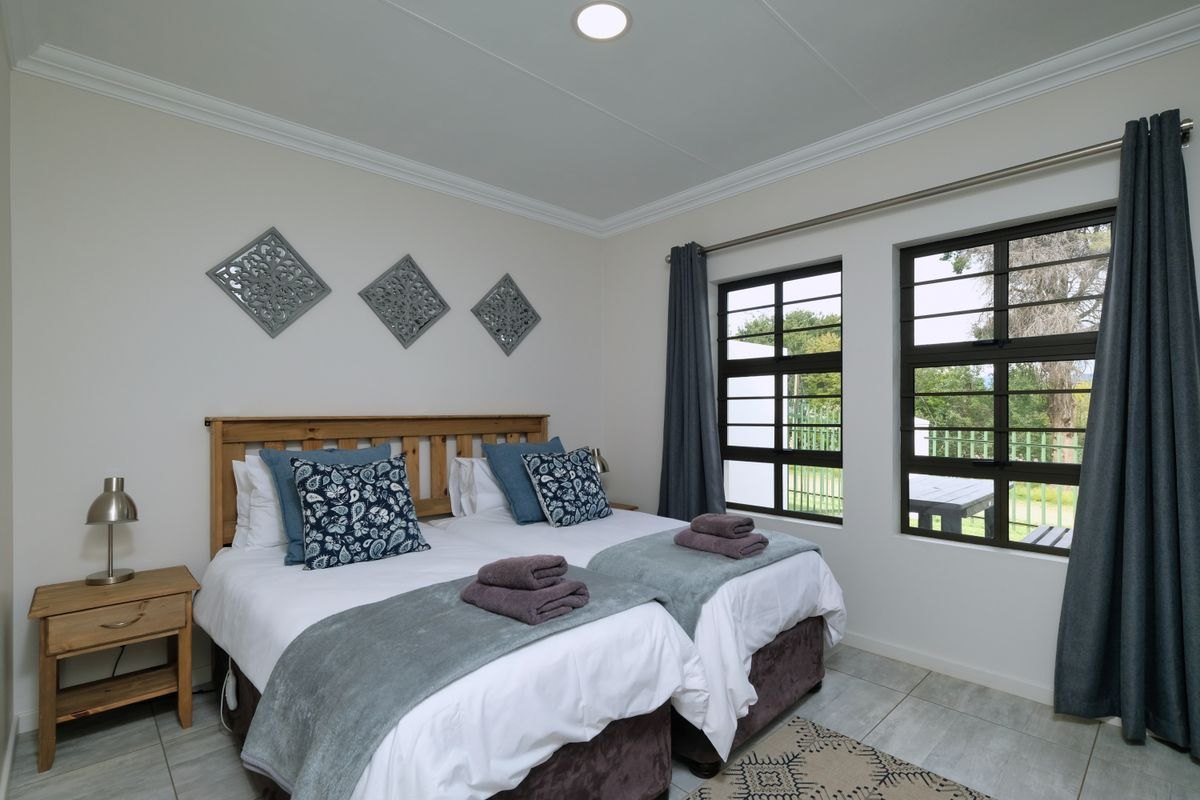
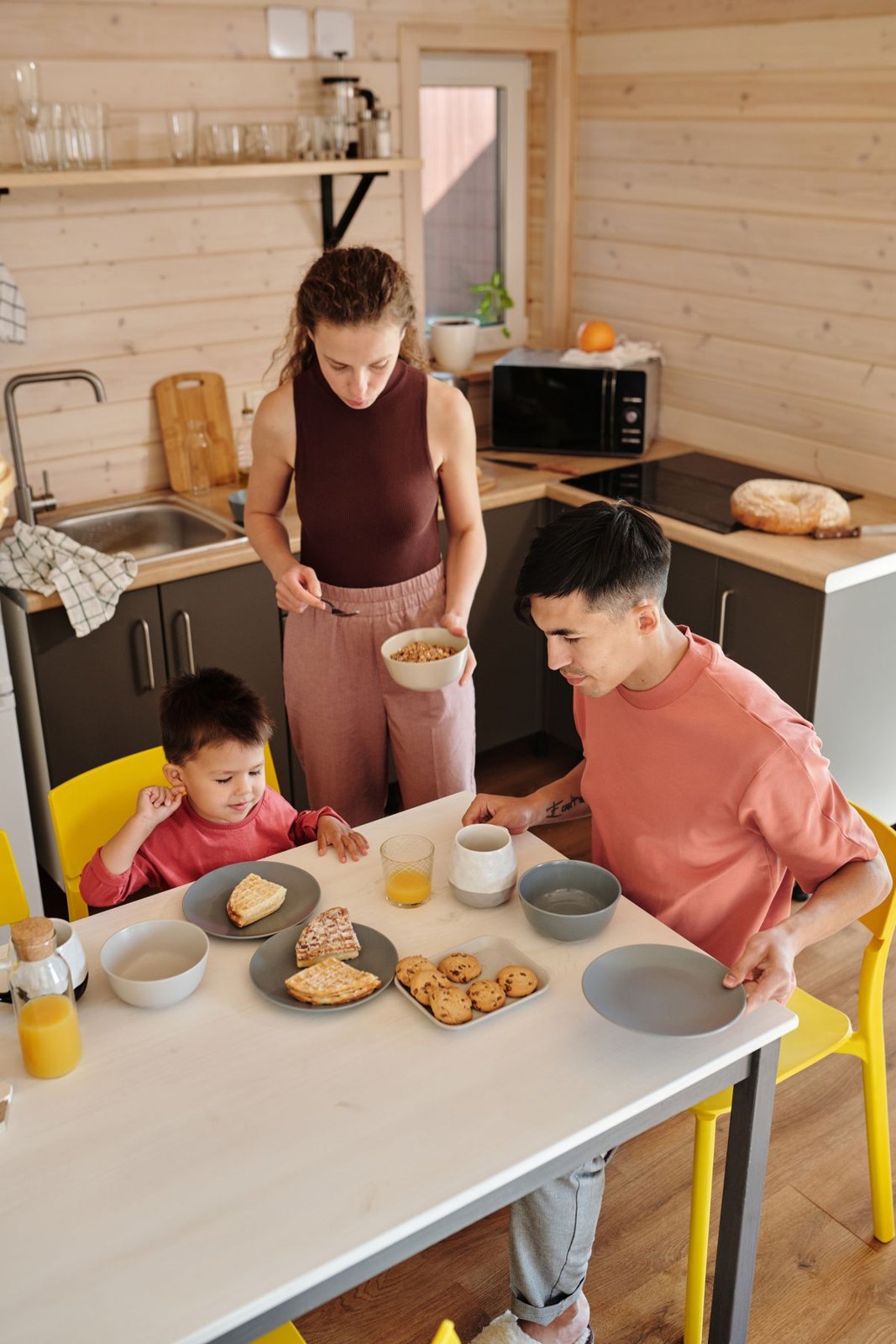
Identify which surfaces remain available all day and which change function. A dining table used for work, crafts and meals needs regular clearing. A sofa bed may remove most living space at night. Ask for the room dimensions and storage details before booking, and picture the flat with your luggage inside. If several essential activities compete for the same square metre at the same time, no amount of tidying will resolve the basic layout problem. Choose a different apartment rather than relying on exceptional organisation.
Before booking, create a rough space budget. Count the permanent beds, the seats available when all beds are in use, the clear table area and the places for bags. Then identify any function that requires moving another person's belongings every time. An occasional change is manageable; repeatedly dismantling a work corner for meals and then converting the same area into a bed may create more effort than the price saving justifies.
Give each category one home
Allocate a place for clothes, laundry, beach equipment and documents during the first unpacking. Use existing shelves and cupboards without moving heavy furniture or blocking access. Packing cubes or a spare bag can separate belongings without adding bulky organisers to the luggage. Keep the floor route between beds, bathroom and exit clear. Limit children's holiday toys to items that can be put away quickly, and decide where partly finished drawings or games will go when the table is needed for food.
A longer family stay also brings accumulated small objects: receipts, drawings, chargers and local purchases. Give these a modest temporary home and review it every few days. Do not let organisation become another large chore. If the apartment feels cramped despite sensible packing and daily resets, reduce optional possessions or time-intensive indoor activities rather than imposing an increasingly strict tidying regime on everyone. The underlying limit may be the space itself.
Reset at predictable moments
A brief reset after breakfast and before bedtime is more manageable than waiting until every surface is full. Put bags ready for the next outing, clear the eating area and move used clothes into one laundry place. Share these jobs across the family rather than assigning the entire task to whoever notices the mess first. Plan washing around the actual drying space; clean clothes waiting on every chair can consume a small apartment's usable area for days.
Make space through the neighbourhood
Choose a base with realistic short outings so that every quiet afternoon does not have to happen inside the flat. Check a nearby public outdoor space, library or activity according to your family's interests and the venue's current arrangements. This should add choice, not become an obligation to leave because the accommodation is uncomfortable. Before committing to several weeks, compare the small apartment with a slightly larger one using the complete price difference. An extra room may be a worthwhile everyday feature rather than an unnecessary luxury.