Write meals rather than a long ingredient list
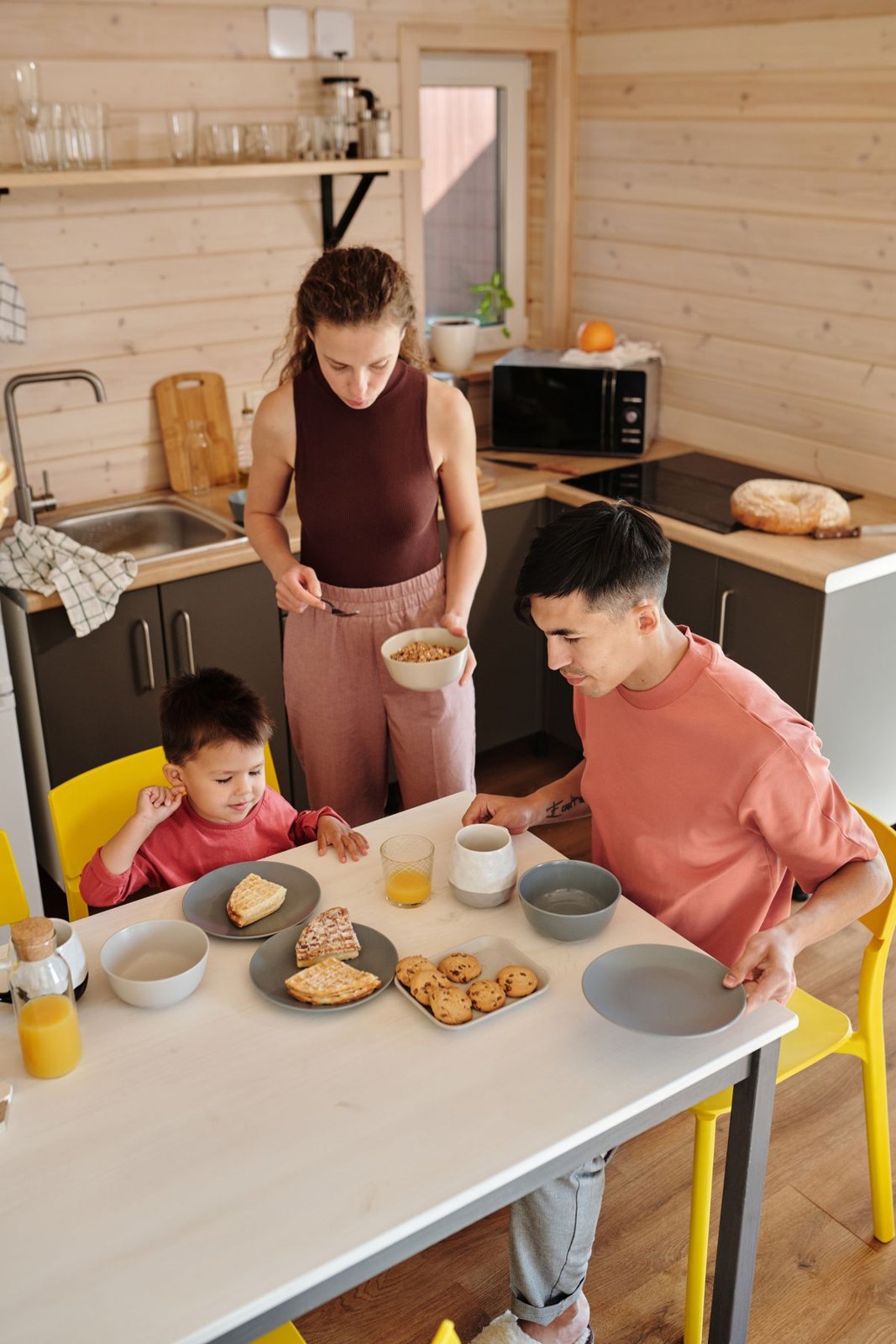
Plan the first evening, two breakfasts and one simple lunch. Count how many people will actually eat each meal in the apartment. If arrival is late, make the first dinner something that can be prepared with minimal equipment. Connect each ingredient to a meal so that attractive extras do not crowd out useful basics. A familiar breakfast can be especially helpful while everyone is settling in, but there is no need to buy a week's supply before you know the local shops or the fridge.
A sample two-day plan could be a simple pasta supper, two breakfasts and sandwiches for a short outing. Translate that into the particular ingredients your family eats, then check the utensils needed for each. If there is no colander or large pan, change the supper before shopping. The meal plan is a way to test the kitchen, not a prescription that every family should eat the same food.
Inspect before the main shop
Check the number of pans, the usable fridge shelves and whether the freezer compartment mentioned in the listing is present. Look for plates, cups and cutlery in sufficient quantities. Confirm cleaning supplies separately from food: washing-up liquid, a sponge and bin bags may not be included. Do not assume opened packets left in cupboards are suitable or intended for your use. Keep dietary requirements with the person doing the shopping and read the actual labels rather than relying only on familiar-looking packaging.
Keep non-food purchases on a separate part of the list. This helps distinguish an actual missing necessity from a product you habitually buy at home. Before purchasing foil, storage boxes or cleaning cloths, look in the relevant cupboard and ask where supplies are kept. Small apartments can become crowded surprisingly quickly when every household habit produces another packet or container.
Split carrying from choosing
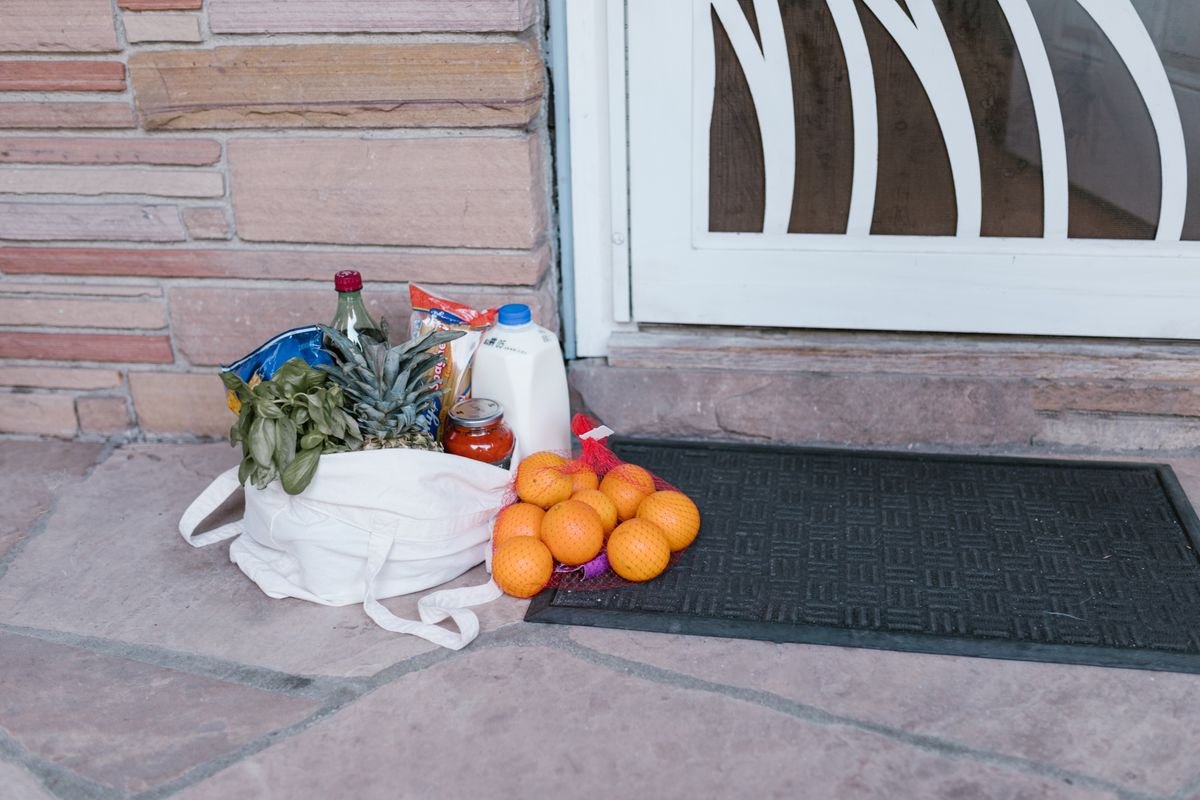
One compact first shop can be easier than taking the whole family around a large supermarket after travel. If adults split the job, agree what is needed and how substitutions will be handled. Think about the route home with the full bags, including steps and any uphill section. Buy smaller quantities when the route or storage space makes bulk packs impractical. Keep the first shop flexible enough that a missing product does not prevent the entire planned meal.
Review after breakfast
After the first morning, note what was used, what equipment was missing and whether the eating arrangement worked. Adjust the next shop to the meals you genuinely want to prepare. Some families discover they enjoy apartment lunches; others prefer to keep cooking to breakfast and an occasional dinner. Both can work. The purpose of the two-day list is to make the opening stretch comfortable while avoiding a fridge full of ingredients that dictate the rest of the holiday.